In Georgia, distracted driving is still a life-and-death problem. Nationwide, NHTSA reported 3,208 people were killed in crashes involving distracted drivers in 2024. That's the right place to start, because safer driving habits matter even when a behavior seems common, brief, or easy to justify.
Your Guide to Safer Driving in the Peach State starts with a simple reality. A glance at a phone, a quick adjustment on a screen, or a distracted conversation can turn a routine drive on I-285, GA-400, or a neighborhood road in Athens into a crash. In Georgia, that risk also carries legal consequences under the state's Hands-Free Law, which generally prohibits drivers from holding or supporting a phone while driving.
This isn't only about avoiding a citation. It's about protecting your passengers, the people in the next lane, and your own future. That matters even more if you're already dealing with license concerns, court requirements, or a need to rebuild safer habits after a violation.
These distracted driving prevention tips focus on practical steps you can use today. Some are behavioral. Some involve vehicle setup. Some are about stress, fatigue, and accountability. All of them fit the same idea: make safe choices before the car moves, not after distraction begins.
1. Put Your Phone Away Before Driving
The safest phone strategy is physical distance. If your phone is in your hand, lap, cup holder, or passenger seat, you're still one buzz away from making a bad choice. Put it in the glove box, center console, trunk, or back seat before you shift into drive.
That advice matches the evidence. IIHS notes that the share of drivers using hand-held cell phones at any daylight moment fell from 4.3% in 2014 to 2.1% in 2023, yet crash risk in naturalistic studies was 2 to 6 times greater when drivers were manipulating a cellphone. The lesson is straightforward. Lower use is good, but handling the phone is still dangerous.
Make the phone unreachable
If you drive around Atlanta traffic or crawl through school pickup lines in metro communities, temptation often shows up in slow-moving moments. That's when many drivers tell themselves a quick glance is harmless. It isn't.
Practical rule: If you can touch your phone while driving, it's too close.
A few ways to make this easier:
- Use Do Not Disturb While Driving: Turn on Apple or Android driving modes before the trip starts.
- Pick one storage spot: Use the same place every time so the habit becomes automatic.
- Let a passenger handle it: If someone's riding with you, let them manage messages or route changes.
- Use airplane mode when needed: That's especially helpful during stressful drives, long commutes, or court-related travel when you don't want interruptions.
Georgia's Hands-Free Law gives you a legal reason to build this habit. Safety gives you a better one. If your phone is out of reach before the engine starts, you remove the decision point before it can become a distraction.
2. Use Hands-Free Technology and Voice Commands
Georgia's Hands-Free Law does not ban every phone-related action. It draws a line around how you use the device while the vehicle is moving. Hands-free features like Bluetooth calling, steering-wheel controls, and built-in voice assistants help drivers stay on the legal side of that line and reduce the temptation to look down or reach over.
That said, hands-free technology works like cruise control. It can reduce part of the workload, but it does not take over the driving task.
The bigger issue is attention. The National Highway Traffic Safety Administration explains that even hands-free phone use can create cognitive distraction, meaning part of your brain is still busy with the conversation instead of traffic conditions, signals, and hazards ahead, as described in NHTSA's overview of distracted driving. A driver can have both hands on the wheel and still miss what matters.
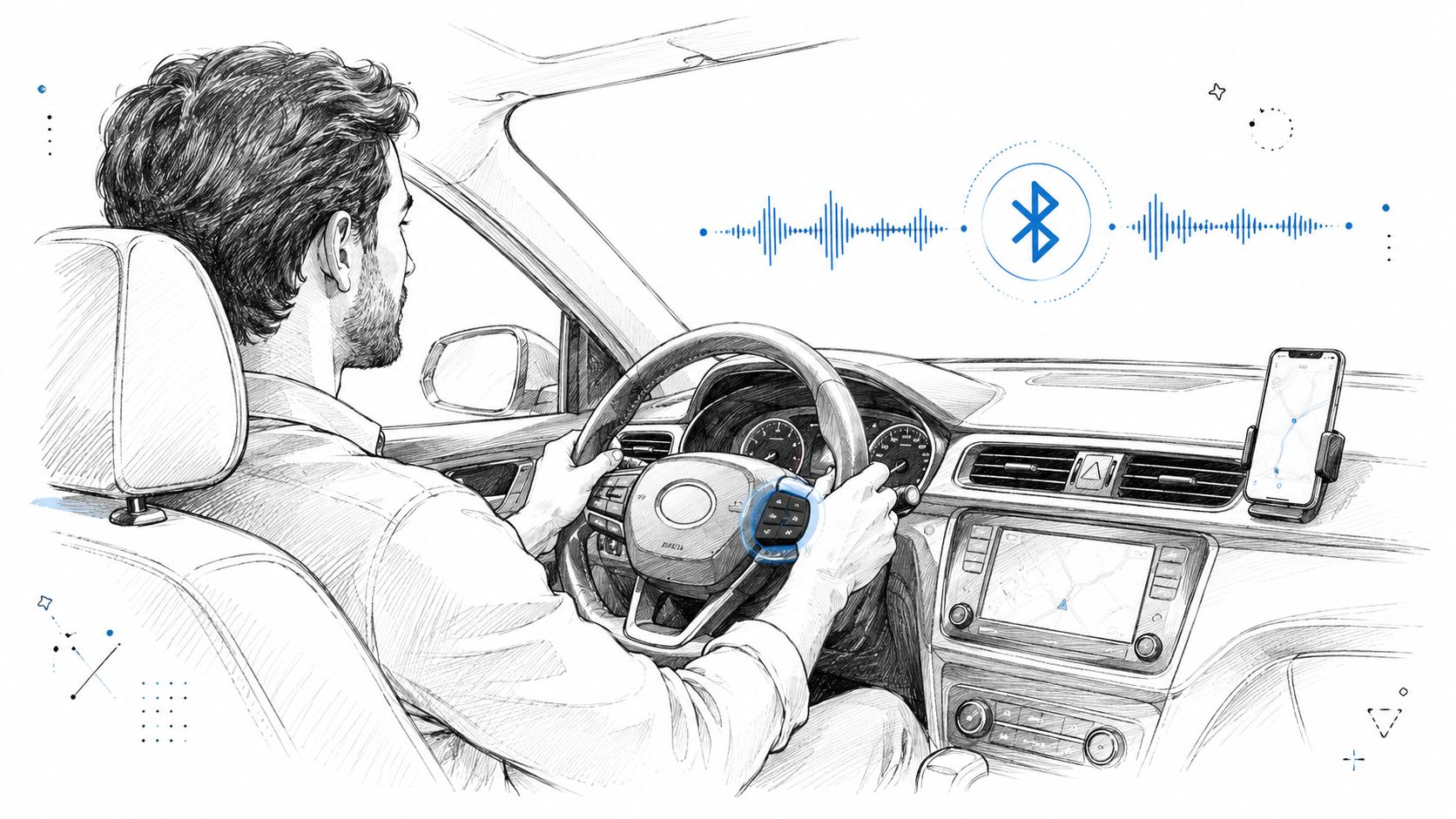
Use voice tools for short, low-demand tasks
Voice commands are best for simple actions you could complete in one step. Calling a saved contact, starting spoken directions, or sending a brief preset reply are safer uses than searching playlists, dictating long messages, or handling a complicated work call in Atlanta traffic.
A good rule is simple. If the task would take your full attention in a parking lot, it does not belong in a moving car.
Try this setup before you leave:
- Pair your phone before the trip: Do the Bluetooth connection, audio check, and permission settings while parked.
- Practice the exact commands: Learn the phrases your system recognizes for calls, directions, and canceling actions.
- Use favorites and presets: Saved contacts and common destinations cut down on extra prompts and corrections.
- Keep conversations short: Quick logistics are one thing. Emotional, detailed, or high-stakes discussions can pull your focus off the road.
- Let spoken navigation do the work: Audio directions are safer than glancing back at the map every few seconds.
This matters in Georgia because legal compliance and safe driving are related, but they are not identical. A driver can follow the Hands-Free Law and still create risk by treating the car like a mobile office. The safer habit is to use voice features as a backup tool, not as an invitation to stack more tasks onto the drive.
If distraction has already led to a ticket, crash, or close call, Georgia drivers also have state-recognized ways to reset their habits through DDS-approved education, including Risk Reduction and Defensive Driving courses discussed later in this guide.
3. Avoid Eating and Drinking While Driving
A breakfast biscuit on the Downtown Connector or coffee on the way to work may feel normal, but eating while driving creates three problems at once. Your hand leaves the wheel, your eyes drop to the food, and your mind splits between driving and the mess you're trying to manage.
This is why many distracted driving prevention tips go beyond phones. AAA's safety guidance recommends making adjustments before driving, storing loose items, finishing getting ready at home, and avoiding eating, handling children, and managing pets while underway, as outlined in AAA's distracted driving prevention advice.
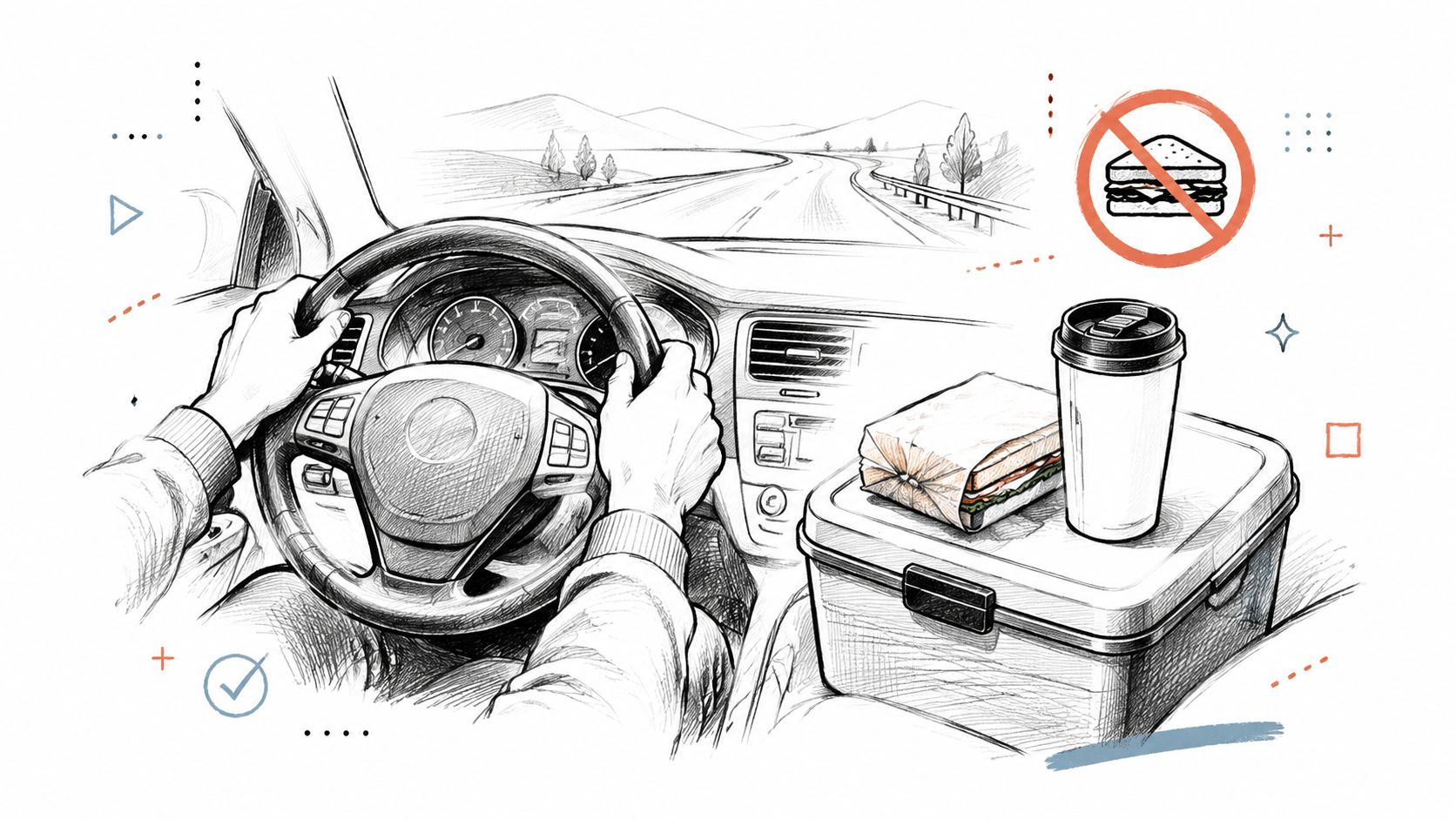
Keep food out of the driving task
Food distraction isn't just about full meals. It's sauces, wrappers, ice, lids, napkins, spills, and reaching for dropped items. A single dropped fry can pull your eyes off the road long enough to miss sudden braking ahead.
A practical routine works better than good intentions:
- Eat before you leave: Even five extra minutes at home is safer than eating in traffic.
- Plan a stop on longer drives: If you're headed across Georgia, build meal breaks into the trip.
- Choose closed containers: If you must bring a drink, use a secure cup with a lid.
- Pull over to finish: Parking for a few minutes beats trying to balance lunch at a red light.
A clean car helps. When drivers keep wrappers, drinks, and clutter under control, there are fewer surprise distractions once the trip starts.
This advice matters for parents, commuters, delivery drivers, and anyone who feels rushed. Driving deserves your full attention. Your snack can wait.
4. Minimize In-Vehicle Distractions
Your vehicle can distract you even when your phone doesn't. Touchscreens, climate controls, playlists, charging cables, loose bags, sunglasses, and dashboard notifications all compete for attention. Many newer cars add more features, not fewer, so discipline matters.
NHTSA notes that prevention advice should focus on removing the device or distraction before driving starts. That idea applies to the whole cabin, not just your phone. In Georgia traffic, one glance down to change music or hunt for a charger can be all it takes to miss a stopped vehicle.
Set the cabin before the wheels move
Professional drivers often use a short pre-drive routine. You can do the same in less than a minute. Adjust the seat, mirrors, temperature, audio, and route while parked. Put what you need within easy reach and everything else away.
Use this setup checklist:
- Seat and mirrors first: Don't start rolling and then decide your mirror angle is off.
- Climate before departure: Set air or heat early so you're not tapping controls in motion.
- Audio in advance: Queue a playlist, podcast, or station before you back out.
- Cabin cleared: Move bags, cords, and receipts so you won't be reaching around later.
If speeding is part of your stress pattern, reducing cabin distraction also helps you make calmer decisions. Georgia drivers dealing with rushed commutes may also benefit from these practical habits to avoid speeding tickets, since distraction and rushing often show up together.
Glare can also make drivers interact more with their screens and mirrors. Products like The Tint Guy's anti-glare film are one example of a visibility-focused upgrade some drivers consider, especially in bright Georgia sun. Whatever your setup, the principle stays the same. Fewer adjustments on the road means more attention where it belongs.
5. Plan Your Route and Use GPS Before Departure
Getting lost isn't the problem. Trying to fix it while moving is. Drivers often start with a route in mind, hit traffic, then begin tapping, zooming, and rerouting while still in motion. That sequence is common, and it's dangerous.
A smarter approach is to make navigation decisions before you leave. Enter the address while parked. Review the first few turns. Notice major roads and landmarks. If you're driving somewhere unfamiliar in Atlanta, Macon, or Augusta, that quick preview reduces panic later.
Let navigation guide you, not control you
Built-in navigation, Google Maps, Waze, and Garmin units can all help when used correctly. Voice guidance is especially useful because it reduces the need to keep checking the screen. If you miss a turn, let the system reroute instead of grabbing the phone.
A few habits make a big difference:
- Input the full destination while parked: Don't start driving with only half the address entered.
- Use voice guidance volume: Make sure prompts are loud enough to hear clearly.
- Save frequent locations: Home, work, school, court, and treatment locations should already be stored.
- Ask a passenger to manage changes: If traffic forces a new route, let your passenger handle it.
IIHS notes that broad bans on manipulating devices are more promising than laws aimed only at talking or texting. That matters with navigation too. The risk often rises when drivers are actively handling a device, not when they hear directions. Set it once, then drive.
6. Manage Passengers and Driver Fatigue Before Getting Behind the Wheel
Some distractions don't light up or ring. They ride in the car with you or sit in your own head. Loud passengers, children needing attention, emotional conversations, and simple exhaustion can make a driver mentally unavailable even when both hands stay on the wheel.
Nevada DOT's safety guidance takes a broader view than many phone-only lists. It recommends being well rested, taking a short nap before a long drive, managing time so you don't feel rushed, and eliminating distractions because tiredness makes drivers less mentally alert and more easily distracted, as explained in Nevada DOT's distracted driving safety guidance.
Treat fatigue like a safety issue
Georgia drivers often think of fatigue as a long-haul problem. It isn't. It shows up after late shifts, early court dates, overnight travel, caregiving responsibilities, or emotionally draining days. If you feel yourself zoning out on a familiar route, your attention is already compromised.
Don't wait until you're drifting or missing turns. Fatigue usually shows up earlier as impatience, forgetfulness, and a wandering mind.
Try these habits before you drive:
- Delay the trip if you can: A short pause is better than forcing yourself through a drive half-awake.
- Set expectations with passengers: Ask for quiet if traffic is heavy or you need to focus.
- Handle child needs before departure: Snacks, seatbelts, devices, and bathroom stops should be settled first.
- Don't drive right after a draining event: If you've just had an argument, bad news, or a stressful appointment, give yourself time.
This is one of the most overlooked distracted driving prevention tips because fatigue doesn't look dramatic. But a tired brain misses hazards, overreacts to stress, and makes poor decisions quickly.
7. Secure Loose Items and Pets in Your Vehicle
A rolling water bottle, sliding grocery bag, barking dog, or falling backpack can pull your attention away in an instant. Many drivers don't think of these as distraction hazards until they reach for something and realize they've stopped watching the road.
AAA and other safety agencies advise drivers to store loose items and avoid handling children and pets while the vehicle is moving. That's practical advice for everyday Georgia driving, whether you're taking a dog to the park in Athens or loading groceries after work in Atlanta.
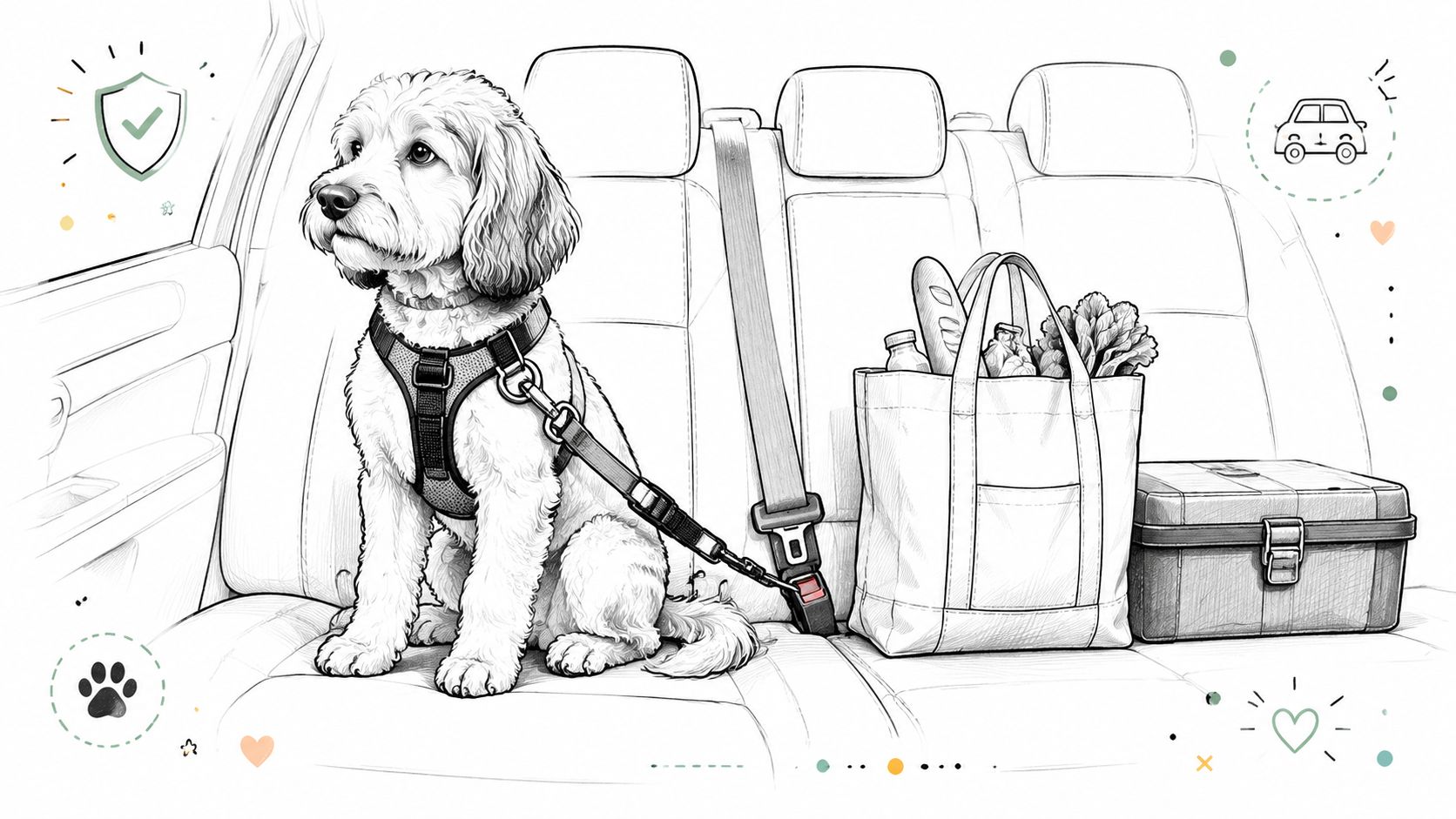
Secure the inside of the vehicle
Loose items create two risks. First, they tempt you to reach, grab, or turn around. Second, they can move suddenly during braking or a crash. The easiest solution is to secure them before the trip starts.
Use simple controls:
- Put bags in the trunk or cargo area: Don't let groceries or packages slide across seats.
- Use organizers for small essentials: Sunglasses, chargers, and pens shouldn't be loose on the console.
- Restrain pets properly: A carrier or pet harness is safer than letting an animal roam.
- Keep the floor clear: Shoes, bottles, and toys near the pedals can create serious problems.
For pet owners who want to compare restraint options, guides like this 2026 dog car seat safety guide can help you think through setup choices. Whatever system you choose, the goal is simple. Nothing inside the car should compete with your attention once you're moving.
8. Avoid Intense Emotional States and High-Stress Driving
Not every distraction is visible. Anger, anxiety, grief, excitement, and panic can narrow your focus just as surely as a screen can. Drivers who are upset often speed, follow too closely, miss signs, or replay a conversation instead of scanning traffic.
This matters in Georgia because legal compliance and safe driving often overlap with stress. If you're heading to court, probation, a clinical evaluation, work after a difficult call, or home after a family conflict, your mind may be somewhere other than the road.
Pause before you drive upset
The safest move may be waiting a few minutes before you leave. That pause can lower your heart rate, stop impulsive decisions, and help you think clearly. Even a short reset matters if you've just had an argument in a parking lot or left a tense meeting.
Use a short emotional reset routine:
- Breathe before starting the car: Slow breathing can interrupt the stress spiral.
- Choose calm audio: Use low-stimulation music or silence instead of angry talk radio or intense calls.
- Delay hard conversations: Don't try to settle a conflict while driving.
- Pull over if your focus slips: If you notice replaying thoughts or aggressive impulses, stop and regroup.
For some drivers, emotional regulation is part of a bigger pattern that also affects judgment and behavior. If that sounds familiar, an anger management assessment may be a useful next step alongside safer driving habits.
A driver doesn't have to be yelling to be emotionally distracted. Quiet stress can be just as dangerous.
9. Use Defensive Driving Education and Accountability
Habits stick better when someone teaches them, reinforces them, and expects you to follow through. That's where formal education helps. A good defensive driving course doesn't just repeat rules. It helps drivers recognize patterns, spot triggers, and practice better choices before those choices matter in traffic.
This is especially relevant in Georgia. Some drivers need help after points, a citation, or a court matter. Others want a safer routine for commuting, family driving, or returning to the road after a stressful period. Structured training gives those drivers a system.
Build a repeatable safety habit
Georgia DUI Schools offers DDS-approved options that fit different schedules and needs, including online, live virtual, and classroom formats. For drivers who want stronger awareness and practical road habits, it helps to understand the benefits of defensive driving before choosing a course.
Accountability also works at home and at work. A family no-phone rule, a written driving pledge, or a check-in with a spouse or friend can turn good intentions into consistent behavior.
Some practical accountability ideas:
- Take a course soon, not someday: Learning works best when you apply it right away.
- Write down your own rules: Examples include no handheld phone use, no eating, and no driving when upset.
- Review mistakes without excuses: If you catch yourself reaching for the phone or adjusting a screen, correct it immediately.
- Use outside motivation if helpful: Safer driving can also support insurance goals. Some drivers also compare costs after improving habits through tools like this guide to compare Georgia car insurance quotes.
Education doesn't replace discipline. It makes discipline easier to practice.
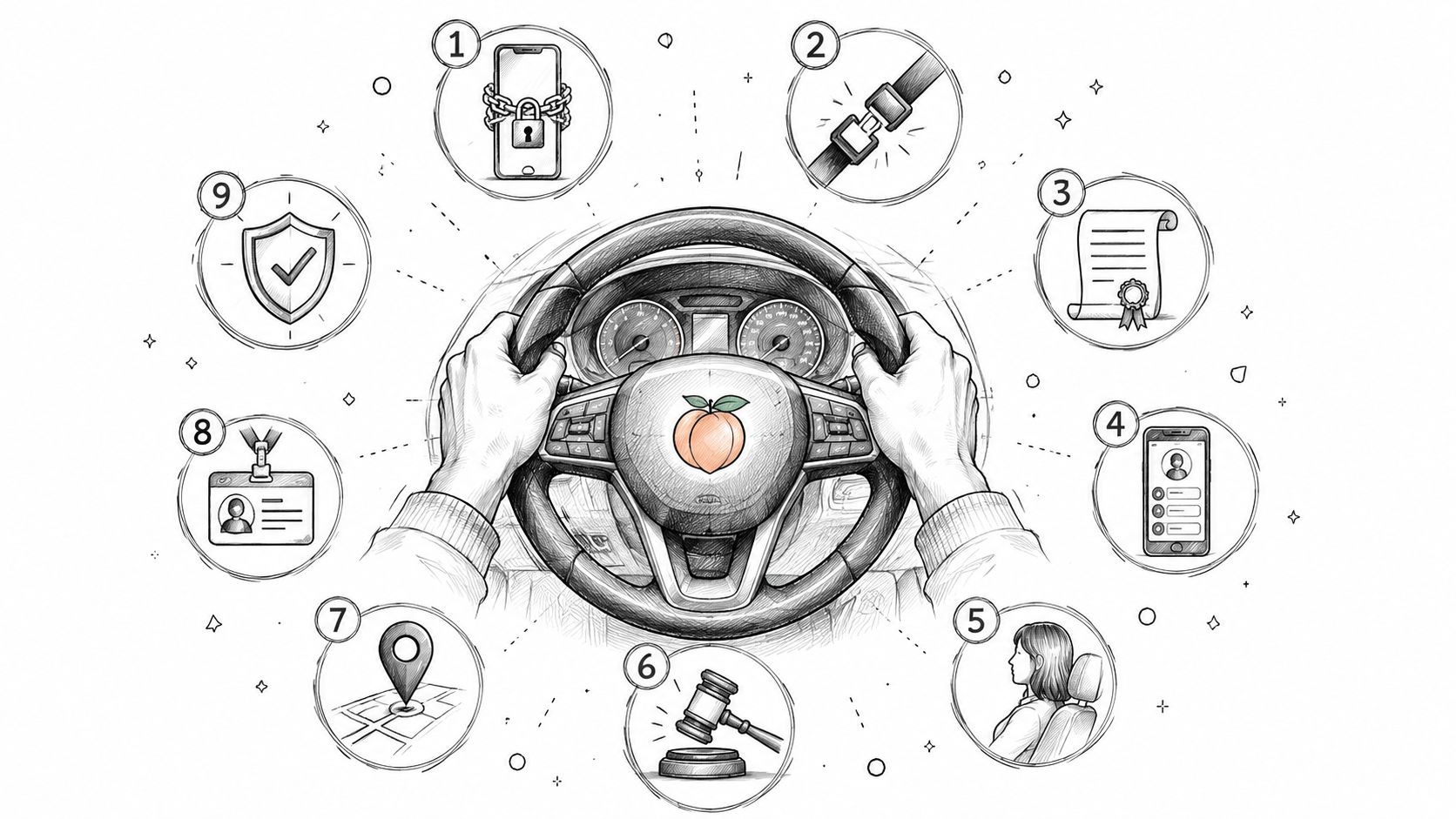
9-Tip Distracted Driving Prevention Comparison
| Strategy | Implementation complexity | Resource requirements | Expected outcomes | Ideal use cases | Key advantages |
|---|---|---|---|---|---|
| Put Your Phone Away Before Driving | Low (habit formation) | None or existing vehicle storage | Strong reduction in phone-related distraction; fewer text-related incidents | All drivers, especially frequent phone-checkers and teen drivers | Eliminates temptation; zero cost; prevents visual & cognitive distraction |
| Use Hands-Free Technology and Voice Commands | Medium (setup and practice) | Bluetooth/voice systems or aftermarket devices | Reduces manual distraction but cognitive distraction may remain | Drivers needing calls/navigation; newer vehicles; compliance with hands-free laws | Enables communication/navigation without hands; widely compatible |
| Avoid Eating and Drinking While Driving | Low (planning) | Time planning; spill‑proof containers if needed | Reduces manual/visual/cognitive distractions; lower food-related crash risk | Long trips, busy commuters, professional drivers | Eliminates multiple distraction types; improves focus and comfort |
| Minimize In-Vehicle Distractions (controls & entertainment) | Low–Medium (pre-drive setup) | Minimal (organizers, preset settings) | Fewer adjustment-related incidents; immediate safety gain | Vehicles with complex infotainment; drivers prone to fiddling | Reduces accidental control interactions; quick to implement |
| Plan Your Route and Use GPS Before Departure | Low | GPS/apps and brief pre-trip planning time | Less mid-trip navigation fumbling; lower cognitive load | Unfamiliar routes, delivery/ride-share drivers, long trips | Prevents in-motion input; smoother, less stressful trips |
| Manage Passengers and Driver Fatigue Before Driving | Medium–High (assessment & planning) | Time, rest opportunities, alternative transport | Significant reduction in fatigue-related crashes; improved cooperation | Long-haul drivers, shift workers, rideshare with passengers | Addresses physical and social distraction sources; prevents severe impairment |
| Secure Loose Items and Pets in Your Vehicle | Low–Medium (organizing/restraint use) | Cargo nets, pet restraints, storage solutions | Prevents projectiles and related distractions; protects occupants/items | Pet owners, frequent cargo transporters, family vehicles | Enhances crash safety; reduces sudden attention demands |
| Avoid Intense Emotional States and High-Stress Situations | High (self-awareness & delay strategies) | Stress‑reduction tools, time to delay trips | Better decision‑making and reduced road rage/aggressive driving | After arguments, distressing events, emotionally charged trips | Improves focus and wellbeing; lowers impulsive driving behaviors |
| Defensive Driving Education & Culture of Accountability | High (course time & organizational change) | Course fees/time, facilitator or program resources | Long-term behavior change; possible insurance and legal benefits | DUI remediation, fleets, families, drivers seeking improvement | Structured training, accountability, measurable outcomes |
Turning Tips into Habits: Your Next Step to Safer Driving
In Georgia, distracted driving is serious enough that the state regulates phone use directly through the Hands-Free Law. That legal standard gives drivers a clear starting line. Safe driving habits carry you farther by reducing the small attention breaks that lead to missed signals, late braking, and unsafe lane changes.
Preparation works like setting up guardrails before the trip begins. If your phone is out of reach, your route is entered before you shift into drive, and loose items are secured, you have already removed several common distractions. You are not trying to win a battle of willpower at a red light. You are making the safer choice the easier choice.
That is how habits stick.
A single careful trip helps. A repeated routine changes behavior. Put your keys in the same spot each time. Finish food and drinks before departure. Pause for a quick self-check: Am I tired, upset, rushed, or distracted already? If the answer is yes, fix that first or delay the drive.
Georgia drivers should also remember that legal compliance and safe performance are not identical. A person can follow the phone law and still drive poorly because of fatigue, stress, noise in the vehicle, or last-minute decisions. The goal is broader control of the driving environment, not just avoiding a citation.
For some drivers, structure helps turn good intentions into repeatable actions. A DDS-approved course can reinforce hazard recognition, following distance, decision-making, and other skills that weaken over time. It may also make sense for drivers handling point reduction, court requirements, or a reset after a close call.
Choose one or two habits and practice them on every trip this week. If you want more accountability, look into a Georgia DDS-approved program such as Defensive Driving or Risk Reduction through Georgia DUI Schools.