
A drug and alcohol evaluation is a clinical assessment, usually lasting 60 to 90 minutes, that courts or the Georgia DDS may require to determine your substance use patterns and recommend any needed education or treatment after a DUI. In Georgia DUI cases, it’s a practical step in the compliance process, not a mystery test, and understanding it early makes the rest of the process much easier.
If you’ve just been told you need an evaluation, you’re probably dealing with a stack of court papers, deadlines, and a lot of uncertainty about what happens next. Individuals often seek clear answers to three things. What is this evaluation? What will they ask me? And how does it affect my license, probation, or treatment requirements in Georgia?
Those are the right questions. A good evaluation should feel structured, professional, and understandable. It should not feel like guesswork. In a Georgia DUI setting, the evaluation helps determine whether your case calls for education alone, outpatient treatment, or another recommendation tied to the state’s Risk Reduction process and any court order you’ve received.
Your First Step After a DUI or Court Order
Getting notice that you need a clinical evaluation can feel like one more penalty layered onto an already stressful situation. In practice, it’s better to think of it as a required checkpoint. The court or DDS wants a licensed professional to assess whether alcohol or drug use is part of a broader risk pattern and what response fits the facts.

In Georgia, that matters because your next steps often connect directly to license reinstatement, probation compliance, and treatment recommendations. If you need a local starting point, a court ordered alcohol assessment in Georgia can clarify what documents you need and how the state process usually unfolds.
Why this step exists
A DUI arrest tells the legal system that driving safety may have been affected by alcohol, drugs, or both. The evaluation adds clinical context. It looks past the charge itself and asks better questions:
- What happened in real life: Was this a one-time event, part of a pattern, or a sign of a deeper substance use issue?
- What risks are present now: Is there relapse risk, withdrawal concern, or a mental health issue that needs attention?
- What response fits: Education, outpatient counseling, or a higher level of care if clinically justified.
Practical rule: The evaluation is easier when you treat it like a professional appointment, not a courtroom argument.
People often come in worried that every answer will be used against them. That fear can lead to minimizing, defensiveness, or trying to guess the “right” response. That usually backfires. A good evaluator isn’t looking for polished language. We’re looking for consistent information, credible history, and whether the recommendation matches the actual level of risk.
If you’re also trying to understand how treatment requirements can affect legal outcomes more broadly, Tru Dallas Detox legal rehab advice offers a useful outside perspective on court-mandated treatment issues. The legal side and the clinical side are different, but they often intersect.
What helps most at the beginning
The best first move is simple. Confirm whether your evaluation is tied to DDS, a court order, probation, or an attorney referral. That tells you who needs the final report and what timeline you’re working under.
Once you know that, the process becomes much more manageable.
What Exactly Is a Drug and Alcohol Evaluation
A drug and alcohol evaluation is a detailed clinical assessment used to identify substance use patterns, measure severity, and determine whether treatment is appropriate. It commonly uses screening tools such as the AUDIT and MAST, and these evaluations matter in legal settings because 28.9 million people in the United States have Alcohol Use Disorder according to Addiction Solutions LLC’s overview of substance abuse evaluations.
That definition matters because many people assume the evaluation exists only to satisfy a court form. It doesn’t. It has a dual role. One part is legal compliance. The other part is clinical decision-making.
The clinical side
Think of it as a specialized health check for substance use and related risk. An evaluator looks at more than whether you drank or used a drug on one occasion. The assessment often includes:
- Substance use history: when use started, what substances are involved, how often they’re used, and how much
- Life impact: work, school, family, financial, and legal consequences
- Behavioral and mental health factors: mood, stress, impulse control, past treatment, and relapse patterns
- Testing and screening tools: structured questions and, when required, biological screening such as urine testing
Some substances complicate the picture because people don’t always realize how they affect functioning or driving risk. If you’re trying to understand categories like sedatives and similar substances, Nexus Recovery Centers on downer drugs gives a helpful plain-language explanation.
The legal side
In Georgia, a DUI-related evaluation often becomes part of a chain of required steps. Courts may use it to support sentencing or probation conditions. DDS may require it as part of a reinstatement path. Employers can also require evaluations in some settings, especially when safety-sensitive work is involved.
Here’s the practical difference between what works and what doesn’t:
| Approach | What usually happens |
|---|---|
| Treating it like a routine clinical appointment | The evaluator gets clear information and can make a recommendation that fits the case |
| Treating it like an interrogation to resist | Answers become inconsistent, important context gets missed, and the process gets harder |
| Bringing records and being direct | The report is easier to complete accurately |
| Trying to outguess the screening tools | It raises credibility concerns and often delays resolution |
A well-done evaluation doesn’t exist to shame you. It exists to match the right level of response to the actual facts.
That’s why the question “what is a drug and alcohol evaluation” matters so much in Georgia. It’s not just a requirement. It’s the document that often shapes what comes next.
The Evaluation Process From Start to Finish
A clear understanding of the evaluation's steps before attendance can be beneficial. The evaluation process is structured. It usually starts with scheduling, then moves through paperwork, interview, screening tools, and final recommendations.
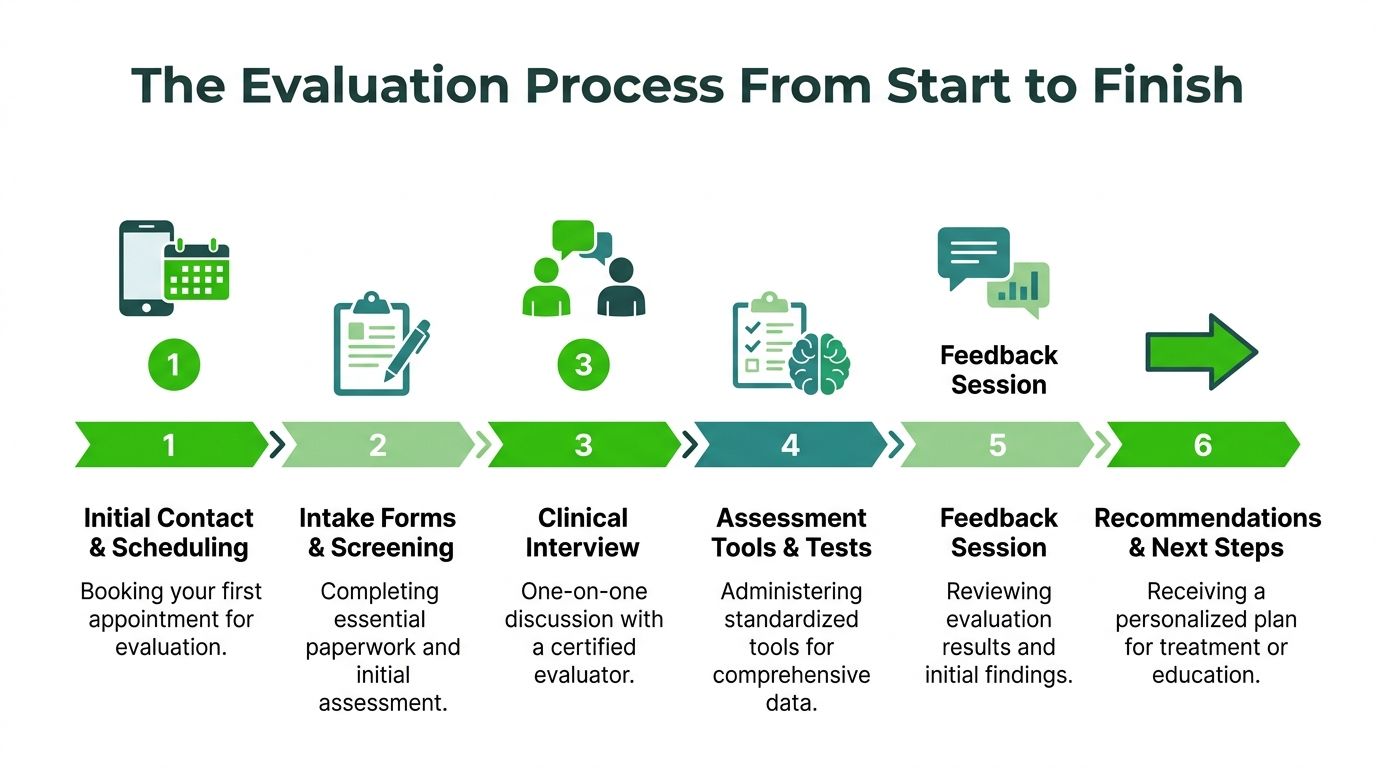
Evaluations may involve several methods, including structured interviewing, behavioral screening, and tools such as the Addiction Severity Index. In Georgia, these court-related assessments play an important role in reinstatement work, and DDS-approved schools have guided over 100,000 people through the Risk Reduction program according to Olympic Behavioral Health’s discussion of drug and alcohol assessments. If you need the clinical service itself, a court ordered substance abuse evaluation is the specific service many Georgia drivers are looking for.
Step one through step three
The first stage is administrative, but it matters more than people expect.
Scheduling the appointment
You confirm why the evaluation is needed, who ordered it, and any deadline. This prevents the common mistake of completing the wrong service for the wrong agency.Completing intake paperwork
Intake forms collect basic information such as demographics, legal background, medical history, current medications, and prior treatment. This saves time during the interview and helps the evaluator see the whole picture.Meeting with the evaluator
The core appointment often lasts 60 to 90 minutes for a standard evaluation. More involved cases can take longer, especially if records, lab work, or multiple concerns are involved.
What the interview usually covers
The interview is not random. It typically moves through major life areas that are relevant to substance use and risk.
A typical evaluator may ask about:
- Alcohol and drug history: age of first use, recent use, longest abstinence, cravings, and past consequences
- Family and social background: support system, home environment, peer influence
- Work and functioning: attendance, performance, disciplinary issues, stress
- Legal history: arrests, prior DUI incidents, probation terms, other substance-related charges
- Medical and mental health history: diagnoses, medications, hospitalizations, therapy, trauma history
The “why” behind these questions is simple. Substance use problems don’t show up only in one area of life. Evaluators need to know whether a DUI was isolated or part of a wider pattern.
Screening tools and testing
After the interview, many evaluations include formal screening instruments. These tools create structure and reduce guesswork. Common examples include the AUDIT, MAST, and ASAM-based clinical decision-making.
Some cases also include testing such as urine drug screening or alcohol-related testing. Those results don’t replace the interview. They add another data point.
The strongest evaluations don’t rely on one answer or one test. They compare self-report, records, and screening results to see whether the story is consistent.
What happens at the end
At the end of the process, the evaluator prepares findings and a recommendation. That report may go to the court, probation, DDS-related program, attorney, or another authorized party depending on the reason for the evaluation.
For the person being evaluated, the most important practical question is not “Did I pass?” It’s “What recommendation did the evaluation support, and what do I need to complete next?”
That’s the piece that affects your timeline.
Georgia-Specific Requirements for DUI Cases
Georgia’s system is more specific than many national articles make it sound. For DUI cases, the clinical evaluation is not just a generic counseling referral. It sits inside a state-defined framework tied to compliance, reinstatement, and, in many cases, treatment follow-through.
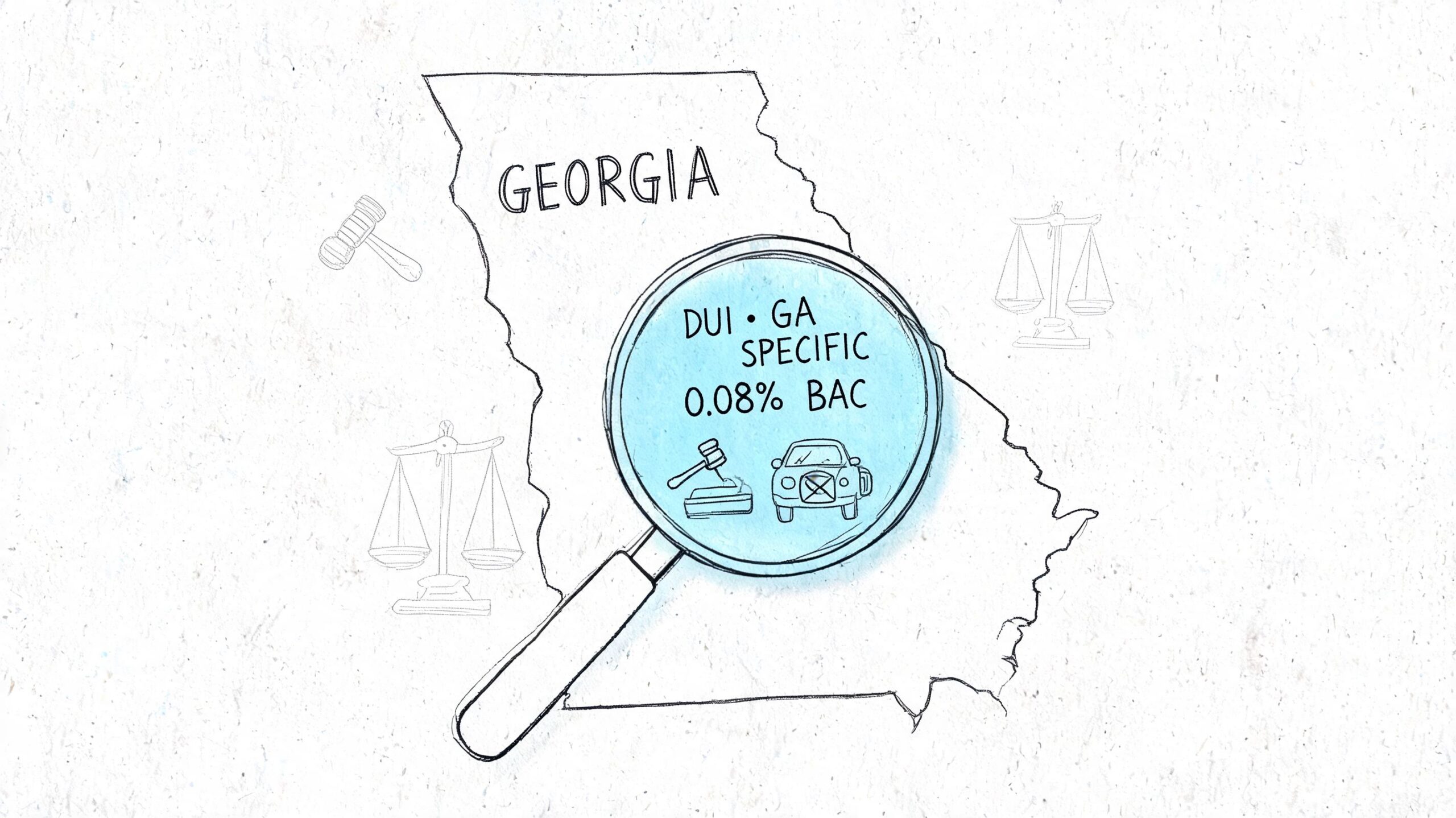
Under O.C.G.A. § 40-5-63, Georgia requires a clinical evaluation as part of the DUI Risk Reduction process, and the evaluation must come from a DDS-approved provider. The state-specific requirement and its connection to ASAM-based recommendations are summarized in this discussion of Georgia DUI evaluation requirements.
What makes Georgia different
In Georgia, the evaluation is closely tied to the Risk Reduction system. That means the report isn’t just descriptive. It often determines whether a person must complete education only or move into recommended treatment, commonly ASAM Level 1 in DUI-related cases.
A lot of confusion comes from reading national content that says, in effect, “just get an assessment.” That advice is incomplete here. In Georgia, the provider has to be approved, the paperwork has to fit the state process, and the recommendation often affects whether you can finish all required steps for reinstatement.
Practical details people ask about
The state process is easier when you focus on logistics first.
| Georgia question | Practical answer |
|---|---|
| Who can do the evaluation? | A DDS-approved provider for DUI-related state compliance |
| What law is usually involved? | O.C.G.A. § 40-5-63 in the Georgia DUI context |
| What may be included? | Interview, screening tools, clinical review, and often a urine screen |
| What does the report affect? | Court compliance, treatment requirements, and license reinstatement steps |
The Georgia version of this process also overlaps with other regulated assessment systems. For commercial drivers, for example, the rules can involve a different process under the SAP framework. If you need to understand that distinction, what is the SAP program is a useful comparison point because SAP and DUI evaluations are related in theme but not identical in procedure.
What works in Georgia
People move through the Georgia process faster when they do three things well:
- Use the right provider: Approval status matters. An evaluation from the wrong place may not satisfy the requirement.
- Match the service to the order: Court-ordered, DDS-related, and employment-related evaluations aren’t always interchangeable.
- Follow the recommendation promptly: The report often triggers the next required action. Waiting to act on it creates avoidable delays.
What doesn’t work is assuming every assessment is the same or that any counseling office can produce a report that Georgia will accept for DUI compliance. In this state, details matter.
Understanding Your Evaluation Results and Recommendations
Most anxiety about the evaluation comes after the appointment, not before it. People worry that any treatment recommendation means inpatient rehab or a severe diagnosis. In DUI-related work, that’s often not the case.
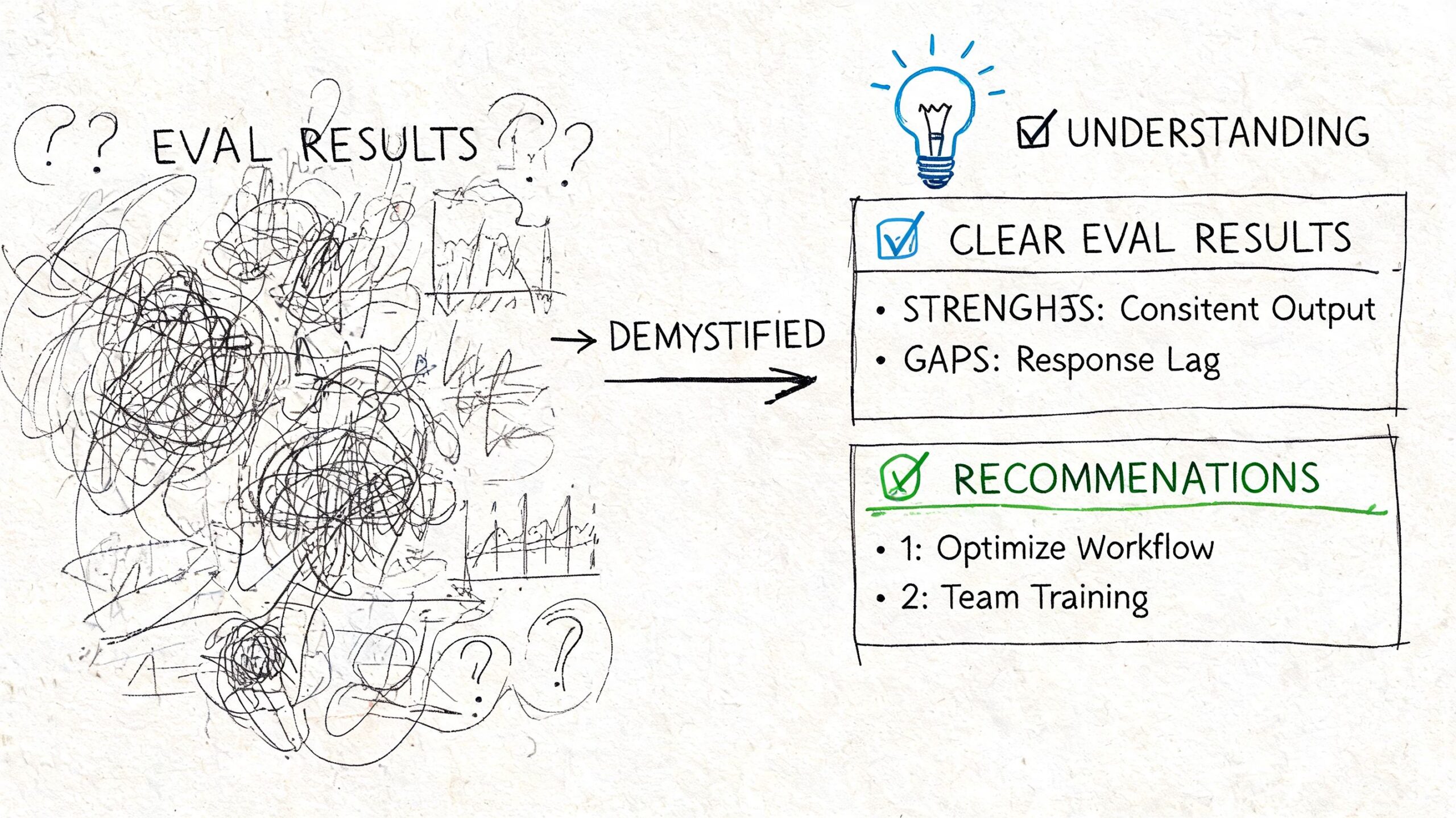
Evaluators use ASAM criteria to determine the appropriate recommendation. That matters because 40 to 60 percent of DUI offenders have co-occurring conditions, and those conditions can raise relapse risk, which is why accurate placement into options such as ASAM Level 1 outpatient treatment is emphasized in the NCBI chapter on screening and assessment.
How ASAM recommendations work
ASAM looks at multiple dimensions of risk and need, including withdrawal potential, medical issues, emotional or behavioral conditions, readiness for change, relapse potential, and recovery environment. In plain language, the evaluator is asking: how much structure does this person need right now?
For many Georgia DUI cases, the practical outcomes fall into a few familiar categories:
Education or early intervention
This usually fits lower-risk cases where the facts suggest a need for focused education and accountability rather than ongoing therapy.ASAM Level 1 outpatient treatment
This is a common recommendation when the pattern suggests more than a one-time mistake. It usually means scheduled counseling or group treatment while the person continues normal work and home responsibilities.Higher level referral when clinically necessary
If the evaluation shows significant risk, unstable mental health, or dangerous withdrawal potential, a more intensive recommendation may be appropriate.
What the recommendation means in real life
The phrase “treatment recommended” scares people because they hear it as a judgment. In practice, it’s a placement decision. It tells the court, DDS-related provider, or probation officer what level of intervention matches the findings.
A recommendation is not a moral label. It’s a clinical answer to a practical question about safety, relapse risk, and compliance.
One useful way to think about it is this:
| Recommendation type | What it usually means |
|---|---|
| Education focused | Lower intensity, more about awareness and prevention |
| Outpatient treatment | Ongoing sessions while living at home and working |
| Higher structure | Needed when safety, instability, or withdrawal risk is greater |
In Georgia practice, Georgia DUI Schools is one example of a provider that offers both clinical evaluations and ASAM Level 1 treatment, which matters because some clients need continuity from assessment into follow-through rather than piecing services together across different offices.
If you disagree with the recommendation
Disagreement doesn’t automatically mean the report is wrong. Sometimes people object because the language feels unfamiliar or more serious than expected. Start by asking the evaluator to explain the basis for the recommendation in plain terms. You want to know which factors drove the decision.
That conversation is usually more productive than arguing about the wording alone.
How to Prepare for Your Evaluation
Preparation changes the quality of the evaluation. Not because it helps you “beat” the process, but because it helps produce an accurate report. That matters. According to AACS Counseling’s guidance on alcohol and drug evaluations, 30 percent of court-ordered evaluations overestimate severity due to self-report issues, and forgetting paperwork can delay the process.
What to bring
Bring the documents that help the evaluator verify why you’re there and what happened.
- Photo identification: You’ll usually need ID to confirm the appointment and complete the file.
- Court or probation paperwork: Bring the order, referral, charging document, or any instruction sheet that explains the requirement.
- Relevant legal records: If you have an arrest report, disposition paperwork, or attorney instructions, bring them.
- Medication list: Prescriptions matter because they can affect screening results and clinical interpretation.
- Prior treatment records if available: If you’ve completed counseling, classes, or treatment before, that history may affect the recommendation.
How to answer questions well
The most useful approach is straightforward honesty. Not dramatic disclosure. Not minimizing. Just accurate answers.
What works:
- Be specific: If you drank, say how often and how much as accurately as you can.
- Acknowledge consequences: If use affected driving, work, family, or probation compliance, say so plainly.
- Clarify prescriptions: If you take prescribed medication, bring documentation.
What usually creates problems:
- Minimizing obvious facts: If the record shows a DUI and the interview presents “no issue at all,” the credibility gap becomes part of the assessment.
- Guessing what the evaluator wants to hear: Screening tools are designed to detect inconsistency.
- Arriving without paperwork: That can slow down the report or require follow-up before a final recommendation is issued.
Bring the facts. Don’t bring a strategy.
How to choose a provider in Georgia
If your evaluation is for a Georgia DUI matter, confirm that the provider is DDS-approved and experienced with court-related reporting. You also want to know whether the office explains the process clearly, handles required testing when applicable, and can coordinate any next steps if treatment is recommended.
A provider who communicates well lowers confusion. That matters more than people realize.
Common Questions and Your Next Steps in Georgia
People usually leave with a few final concerns. Here are the ones I hear most often.
Can you fail a drug and alcohol evaluation
Not in the way people usually mean it. The evaluation produces a clinical recommendation. The primary issue is whether you complete the recommendation required by the court, DDS-related process, or probation.
Is it confidential
It’s a clinical service, but in court-ordered or DUI-related cases, the report is often shared with the authorized party that required it. Ask up front who receives the report and what release forms apply.
What if I disagree with the results
Ask for the recommendation to be explained clearly. If needed, talk with your attorney about whether a second opinion is appropriate in your case.
Why do providers use quick screening tools too
Some tools are designed to triage fast. CAGE can be used in under 5 minutes and has 80 to 90 percent specificity for hazardous drinking, as noted in Bicycle Health’s overview of drug and alcohol evaluations. Quick screens don’t replace the full evaluation. They help organize it.
If you’re trying to understand what treatment may look like after an evaluation, this overview of stages of addiction care gives a useful broad view of how care can progress from assessment to follow-through.
A drug and alcohol evaluation in Georgia is manageable when you treat it as a structured clinical process, bring the right records, and act quickly on the recommendation.
If you need to complete a Georgia DUI-related evaluation or move forward with the next required step, Georgia DUI Schools offers a clear path into the DUI Risk Reduction course and related compliance services so you can keep your case and reinstatement process moving.