A standard mental-health evaluation takes about 30 to 90 minutes, but the total time to receive a final report for court can be several weeks longer. More involved evaluations may require 1 to 2 hours with a mental-health professional, while records, testing, collateral interviews, and report writing happen outside the appointment.
What does “finished” mean in your situation: leaving the clinician's office, receiving a recommendation, or having signed paperwork ready for a Georgia court or probation officer? Those milestones aren't the same. A face-to-face interview may fit into one appointment, but a court-related matter can continue through testing, records review, follow-up contacts, and written documentation.
That distinction matters for Georgia DUI and licensing cases. A clinical evaluation may be one requirement among several, and the appointment itself doesn't automatically prove that every court or Georgia Department of Driver Services obligation is complete.
What to Expect from a Mental Health Evaluation
For a routine initial appointment, plan for about 30 to 90 minutes. The exact length depends on the purpose of the evaluation, your symptoms, the amount of history the clinician must review, and whether the provider needs information from other sources. A more involved clinical evaluation can take 1 to 2 hours with a mental-health professional, particularly when the clinician is establishing a detailed diagnostic history or considering more than one condition. Psych Central explains the typical evaluation length and the factors that affect it.
The appointment usually covers several areas:
- Current concerns: What brought you in, what symptoms you're experiencing, and how those concerns affect your daily life.
- Past history: Previous diagnoses, treatment, hospitalizations, and other relevant mental-health information.
- Medications and substance use: Current prescriptions, past medications, alcohol or drug use, and possible effects on your symptoms.
- Medical and family history: Physical conditions, family mental-health history, and other background information.
- Safety and functioning: Questions about immediate safety, work, relationships, sleep, daily responsibilities, and decision-making.
A brief structured screening may take less time than a full clinical interview. A 2025 peer-reviewed study recorded average assessment calls of 25.19 minutes in its control group, with individual calls ranging from about 4 minutes to 75.3 minutes. That workflow was specific to the study, so it shouldn't be treated as a universal rule for psychiatric, psychological, or court-directed evaluations. The published study describes the assessment workflow and its limits.
Practical rule: Reserve enough time for the appointment, but plan your legal deadline around the report delivery date, not just the time you spend speaking with the clinician.
The evaluation is also separate from later record requests, report preparation, treatment recommendations, and court paperwork. If your attorney, probation officer, licensing agency, or court needs a signed report, ask who sends it, what documents are required, and when the final version will be available.
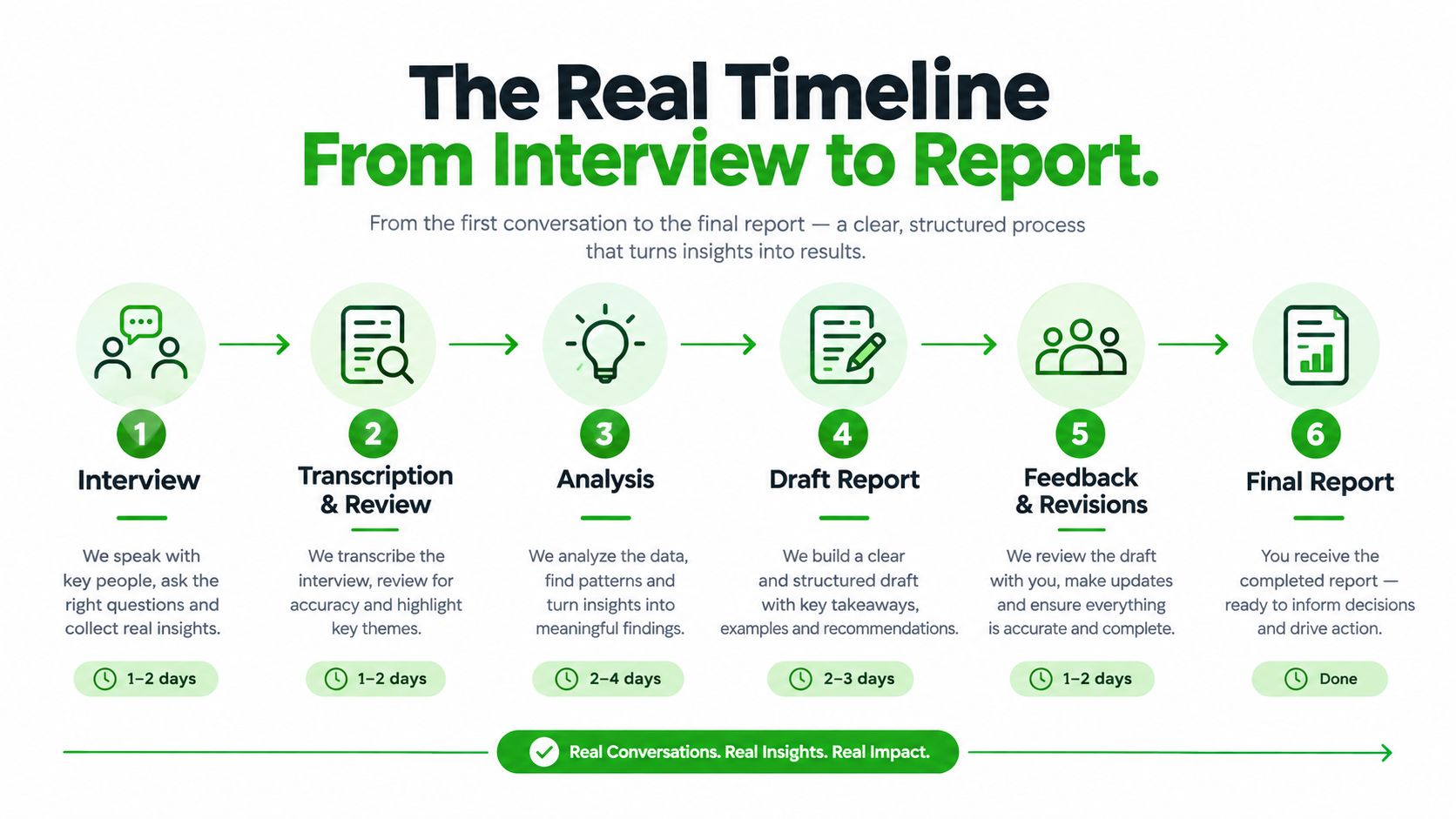
The Real Timeline From Interview to Report
A mental evaluation has several clocks. The first is the time in the room. The second covers testing and records. The third is the clinician's review and report delivery. Confusing those stages is why someone may say, “I completed my evaluation,” while the court is still waiting for documentation.
A psychological evaluation may require 6 to 8 hours across two or three visits, according to the clinical-evaluation information summarized by NewYork-Presbyterian's mental-health evaluation resource. That doesn't mean every person needs that much time. It shows why the referral purpose and assessment tools matter.
The four parts to track
Interview time: You answer questions about symptoms, history, safety, substance use, medical care, and daily functioning.
Testing and questionnaires: The evaluator may use standardized tools or other assessment materials. Some are completed during the appointment, while others may be reviewed afterward.
Records and collateral information: The clinician may need medical records, treatment history, or information from another person who can clarify the history.
Clinical review and report writing: The evaluator organizes the information, forms an opinion, prepares recommendations, and produces documentation suitable for the referral purpose.
Forensic evaluations can extend beyond the appointment because the evaluator must support a defensible opinion. One forensic overview estimates 2 to 4 hours for the direct assessment but 2 to 6 weeks from referral to the completed report. A focused juvenile court-clinic evaluation generally took 3 to 4 hours, with collateral-information collection adding 1 to 3 hours, according to the verified clinical-evaluation material above.
Before scheduling, ask the provider to define “completion.” It may mean the interview is over, testing is finished, the clinician's recommendation is ready, or the signed report has been delivered. For a Georgia case, that answer can determine whether you meet a deadline.
Court-Ordered Evaluations in Georgia
A routine clinical screening helps a provider understand your needs. A court-directed or forensic evaluation serves a different purpose. The evaluator may need to answer a legal question, review disputed history, assess substance use or safety concerns, and document the basis for an opinion that a judge, probation officer, licensing authority, or attorney can review.
That extra responsibility changes the timeline. Psychiatric guidance states that complexity, clinical setting, and your ability and willingness to cooperate affect how long the process takes. The evaluator may need several meetings with you, family members, or other sources. Missing records, conflicting accounts, competency questions, suicide-risk concerns, or a formal legal report can all create additional work. Georgia DUI Schools explains the separate process for a court-ordered mental health evaluation.
Routine and forensic timelines differ
| Evaluation setting | What usually affects timing |
|---|---|
| Routine clinical appointment | Current symptoms, history, medications, and daily functioning |
| Court-directed evaluation | Legal question, records, collateral information, testing, and written findings |
| Emergency psychiatric assessment | Immediate safety, hospitalization decisions, consultations, and discharge planning |
| Substance-use referral | Use history, driving-related concerns, records, and recommended services |
Emergency settings show how much workflow can affect duration. In one emergency-department analysis, the evaluation component leading to a disposition decision had a median duration of about 75 minutes, while adjusted completion times ranged from 69 to 93 minutes across hospitals. Those figures describe an emergency workflow, not every court evaluation. The psychiatric guidance discusses forensic complexity and emergency evaluation timing.
If you're completing a Georgia referral, ask whether the provider needs a release of information, prior records, testing, or collateral contacts before issuing the report. Also ask whether the court requires the evaluator to send the report directly or whether you must provide it. The appointment can be complete while the legal assignment remains open.
Inside the Evaluation Room
The appointment usually feels more like a structured interview than an interrogation. The clinician begins by explaining the purpose of the evaluation, confirming basic information, and asking what led to the referral. You can say that you're nervous, unsure about dates, or unable to remember a detail. Honest uncertainty is more useful than guessing.
The conversation then moves through your current concerns and background. A clinician may ask about past diagnoses, medications, substance use, medical conditions, family history, safety risks, and daily functioning. They may also ask how symptoms affect work, relationships, sleep, driving-related obligations, or the ability to manage ordinary responsibilities.

A simple example
Suppose a Georgia driver attends an evaluation after a DUI-related referral. The clinician may first confirm the referral paperwork, then ask about alcohol or drug use, previous treatment, medical history, mood, stress, and any safety concerns. The provider may use questionnaires or request outside records before making a recommendation.
The evaluator isn't looking for a perfect story. They're trying to understand the full picture and determine what service, if any, is appropriate. A person who leaves out relevant substance use, prior treatment, or safety information may create confusion and require additional clarification.
You can help by asking practical questions before the appointment ends:
- What has been completed today?
- Is additional testing required?
- Do you need records or information from another person?
- When should the report be ready?
- Who receives the final documentation?
Those questions turn a vague timeline into a concrete plan. They also help prevent the common mistake of treating the end of the conversation as the end of the legal process.
How to Prepare for Your Appointment
Good preparation doesn't guarantee a short appointment, but it can prevent avoidable delays. Gather the information the clinician is most likely to need before you arrive or connect online.
Start with a simple folder, either paper or digital. Include:
- Medication list: Write down current medications, dosages if known, supplements, and recent changes.
- Treatment history: List previous diagnoses, counselors, psychiatrists, treatment programs, and hospital care.
- Medical information: Include relevant medical conditions and records you already have access to.
- Referral documents: Bring court orders, probation instructions, agency forms, or licensing correspondence.
- Questions: Ask about testing, recommendations, report delivery, releases, and the person responsible for submitting paperwork.
Don't try to shape your answers to produce a particular result. Explain what happened as accurately as you can, including information that feels uncomfortable or incomplete. A clinician can work with “I don't remember” or “I'm not sure,” but missing information may require follow-up.
If another person or agency holds important records, ask the provider whether you need to sign a release before the appointment. You should also confirm the exact name of the document your referring authority expects. A general treatment recommendation may not satisfy a request for a signed forensic report.
Before you leave: Confirm the next action, the responsible person, and the expected report date in writing.
Connecting the Evaluation to Your DUI Case
In Georgia, a DUI-related evaluation is often only one part of the compliance path. The state's DUI intervention framework can require DUI School, a clinical evaluation, and any treatment recommended by the evaluator. That means the evaluation may lead to another service rather than close the matter. The Georgia Department of Behavioral Health and Developmental Disabilities describes the DUI intervention requirements.
The separate Georgia DDS Risk Reduction program has two required components, the Assessment Component and the Intervention Component. The assessment is completed first and uses a 130-question detailed screening instrument addressing alcohol and drug use and its effect on driving. You must successfully complete both components before receiving a certificate of completion. Georgia DDS explains the two components in its DUI FAQs.
Keep the requirements separate
A clinical evaluation isn't the same thing as the DDS Risk Reduction assessment. It also isn't automatically the same as the intervention course. For example, a person might complete a clinical evaluation and receive a recommendation for ASAM Level 1 outpatient treatment before satisfying court or licensing requirements. The evaluation appointment length can't predict the total time to compliance because the recommendation may create additional obligations.
Georgia DDS also requires the Risk Reduction assessment to be processed at least 30 minutes before the first intervention-component session begins. The assessment and fee transaction must be completed before administration, and the assessment must be processed in the same month in which it's administered. Those are administrative rules for the DDS course process, not a universal clinical-evaluation duration. The DDS policies and procedures guide sets out these timing requirements.
If your deadline is approaching, create a written checklist with separate lines for the evaluation, report, treatment recommendation, Risk Reduction assessment, intervention course, certificate, and court submission. Ask your attorney or probation officer which items apply to your case. Georgia DUI Schools provides court-related psychological evaluation information.
Scheduling and Telehealth Options
The fastest appointment isn't always the fastest accepted solution. In-person care may be necessary when the evaluator needs physical observation, extensive testing, original records, or reliable participation from collateral sources. Telehealth may reduce travel and waiting in some settings, but the referring court, probation officer, agency, or licensing authority must accept the format.
A 2025 emergency-department telepsychiatry study reported that the wait from consultation request to evaluation start fell from 53 minutes in person to 20 minutes through telepsychiatry. The time to a disposition decision fell from about 107 minutes to 45 minutes in that study. Those results describe a specific emergency workflow, not a guarantee for a Georgia court referral. The study compares in-person and telepsychiatry timing.
Patients may also spend more time waiting for an available appointment than speaking with the clinician. A separate 2025 qualitative study reported evaluations lasting 5 to 30 minutes for some patients, while waits ranged from several hours to a day and a half. About half preferred telehealth despite technical difficulties because it avoided prolonged waiting, according to the verified research summary.
Before choosing virtual care, confirm:
- Acceptance: The referring authority accepts remote evaluation.
- Technology: Your device, connection, camera, and private location are reliable.
- Documentation: The provider can deliver the required signed report.
- Contingency: You know what happens if the connection fails or records are incomplete.
For families comparing remote behavioral-health access in another state, telehealth options for Florida families offer a useful example of how providers may organize virtual services. Georgia clients should still verify their own legal requirements. Georgia DUI Schools also provides information about telehealth substance-abuse treatment.
Next Steps and Resources
Start by identifying the deadline that matters. Is it the appointment date, the report date, the treatment start date, the DDS course completion date, or the date paperwork must reach the court? Once you know that, work backward and leave time for records, testing, recommendations, and report delivery.
Use this short plan:
- Call the referring authority: Confirm exactly what evaluation and documentation it accepts.
- Ask the provider for a timeline: Separate appointment time from report completion.
- Gather documents: Prepare your referral, medication list, history, and records.
- Confirm the format: Check whether in-person or telehealth attendance is valid.
- Track every requirement: Keep evaluation, treatment, Risk Reduction, certificate, and filing steps separate.
Don't wait until the final deadline to discover that the report requires another appointment. A clear conversation with the provider, attorney, probation officer, or licensing agency can prevent that problem.
Georgia DUI Schools offers Georgia DDS-approved Risk Reduction education, clinical evaluations, ASAM Level 1 treatment, and Victim Impact Panels, with online and in-person options for eligible participants. If you need help connecting the evaluation timeline with your DUI requirements, visit Georgia DUI Schools to review the relevant course and service options.