A driver can finish the return-to-duty test, hear that the result is negative, and still be stuck. The problem is usually not the test result, it's the paperwork chain around the follow up testing plan for Clearinghouse, and that chain is often sitting in an employer file instead of in the driver's head.
That's where confusion starts. The federal system records violations and completion milestones, but it doesn't function like a live scheduling tool for the whole plan. If your team is waiting for the Clearinghouse to “show” the plan, or if the driver thinks passing one test ends the process, the case can stall fast.
Why Your Follow Up Plan Lives Outside the Clearinghouse
A CDL driver can pass the return-to-duty test and still not be cleared for full safety-sensitive work if nobody can produce the written follow-up plan. That plan is created through the SAP process, then held and administered by the employer, not stored as a scheduling sheet inside the federal database. The Clearinghouse tracks the violation and certain reporting events, but it is not the place where the actual testing calendar lives, which is why employers need a compliance file that stands on its own.
The document is the control, not the database screen
The practical mistake is treating the Clearinghouse like a dashboard that contains every step. It doesn't. The employer has to keep the SAP-prescribed plan, track the tests, and preserve proof that each required action happened in the right order.
Practical rule: If the employer can't produce the written plan and the completion evidence, the process isn't really closed, even if someone says the driver is “almost done.”
That distinction matters for Georgia drivers too, especially when state reinstatement work is happening at the same time. A person may be handling Georgia license issues and still need to finish the separate federal return-to-duty process before resuming DOT-regulated work. If anxiety or burnout is part of the larger picture, a supportive resource like Interactive Counselling depression support can be helpful alongside the compliance work, because these cases can weigh heavily on drivers and their families.
The cleanest way to think about it is simple. The Clearinghouse is the reporting ledger, while the employer's file is the operating record. When those two get mixed up, follow-up testing drifts, completion dates get delayed, and a driver can remain in limbo longer than anyone expected.
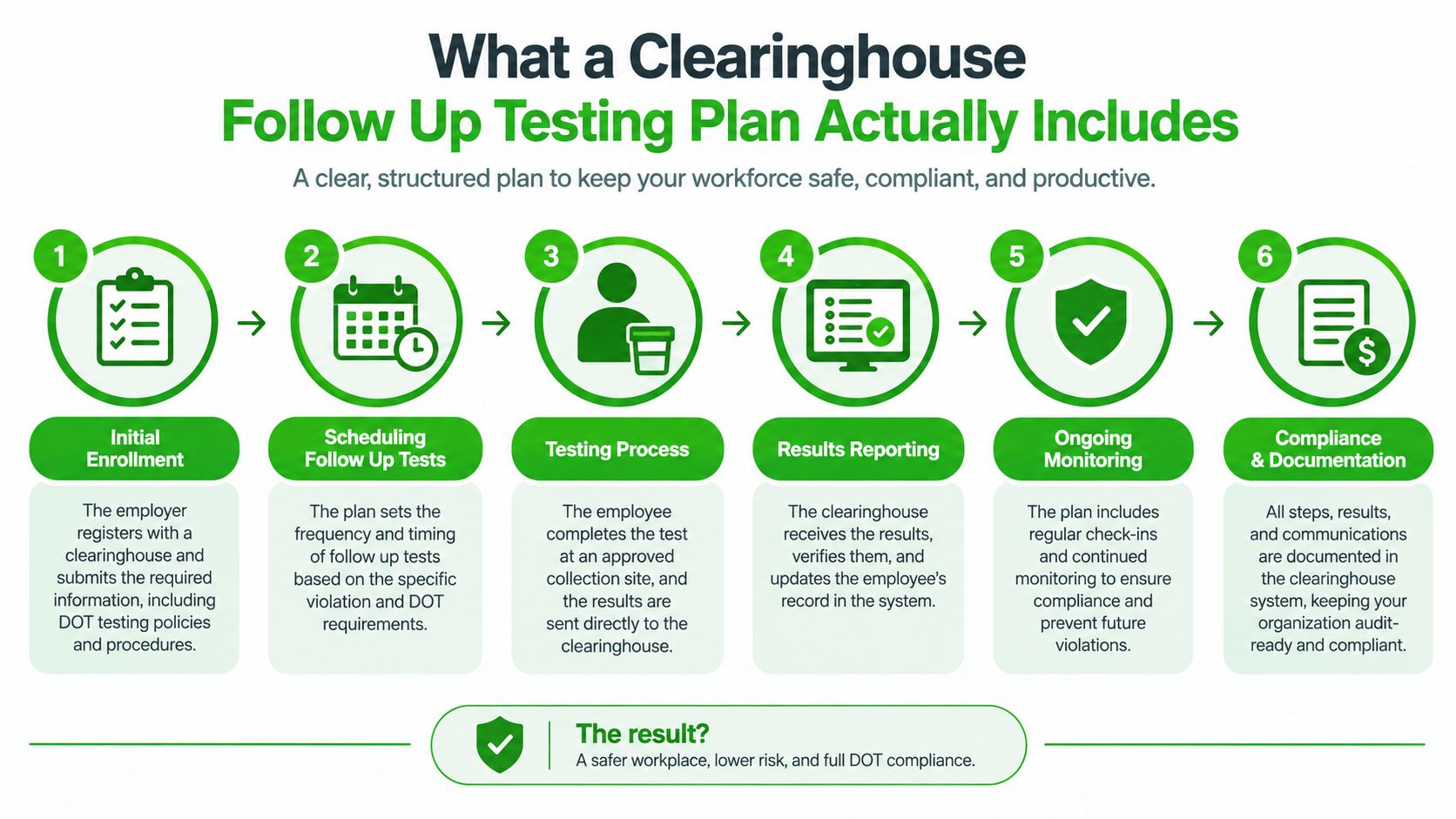
What a Clearinghouse Follow Up Testing Plan Actually Includes
A real follow up testing plan for Clearinghouse starts with the SAP, not the dispatcher, not the driver, and not the employer's random testing calendar. FMCSA guidance requires at least 6 unannounced follow-up tests during the first 12 months after the return-to-duty date, and the SAP can require more testing or extend testing into the next 48 months depending on the case and risk level. Those follow-up tests are separate from ordinary random, post-accident, or reasonable-suspicion testing, and they come with their own compliance record.
The core elements
The plan is a schedule with guardrails. It tells the employer when follow-up collections must happen, and those collections are done under direct observation for the return-to-duty test and the follow-up specimens. The employer also has to make sure the process stays confidential, because the plan is a restricted compliance document, not a casual staffing note.
Minimum rule: six tests in the first 12 months is the floor, not the finish line.
The specimen type depends on the DOT test at issue, but the key compliance issue is not the collection medium, it's whether the collection, result, and documentation all line up with the SAP's plan. If the schedule calls for follow-up testing, the driver doesn't get to substitute convenience or assume that one negative result covers the whole year.
What makes it different from routine employer testing
Routine random testing serves a different purpose. It sits alongside the follow-up plan, not in place of it. A driver can have a normal company random-test obligation and still be subject to the SAP-directed follow-up schedule at the same time.
The SAP owns the clinical judgment here. The employer owns execution. The driver owns showing up when notified. That split is where many cases go wrong, because everyone thinks someone else is holding the ball.
Prerequisites Before the First Follow Up Test
Before the first follow-up test even enters the calendar, three things have to be true. The driver must complete the SAP evaluation and any prescribed education or treatment, the return-to-duty test must come back as a verified negative result, and the employer must have documentation showing the driver is eligible to resume safety-sensitive work. If any one of those pieces is missing, the clock doesn't really start.

What has to be confirmed first
The SAP evaluation matters because it anchors the whole return-to-duty sequence. The negative RTD result matters because it shows the driver met the federal threshold to return, including the alcohol concentration standard below 0.02 when alcohol is involved and a verified negative result for controlled substances. The employer's documentation matters because that's what keeps the case from being treated like a loose collection of test slips.
A driver who skips one of these steps doesn't get a shortcut by taking a later test. The follow-up plan is attached to successful return-to-duty status, not to hope, pressure, or verbal assurances from a supervisor. If the file is incomplete, the driver can still be blocked from safety-sensitive functions.
The internal paperwork link below is useful for teams that are managing the return-to-duty workflow and want a cleaner handoff between SAP documentation and employer recordkeeping: return-to-duty drug testing workflow.
The real starting point is not the first follow-up collection. It's the point where the employer can prove the SAP process is complete and the negative RTD result is on file.
Once those pieces are in place, the first 12-month window can be managed with actual control instead of guesswork. That's when scheduling discipline starts to matter more than optimism.
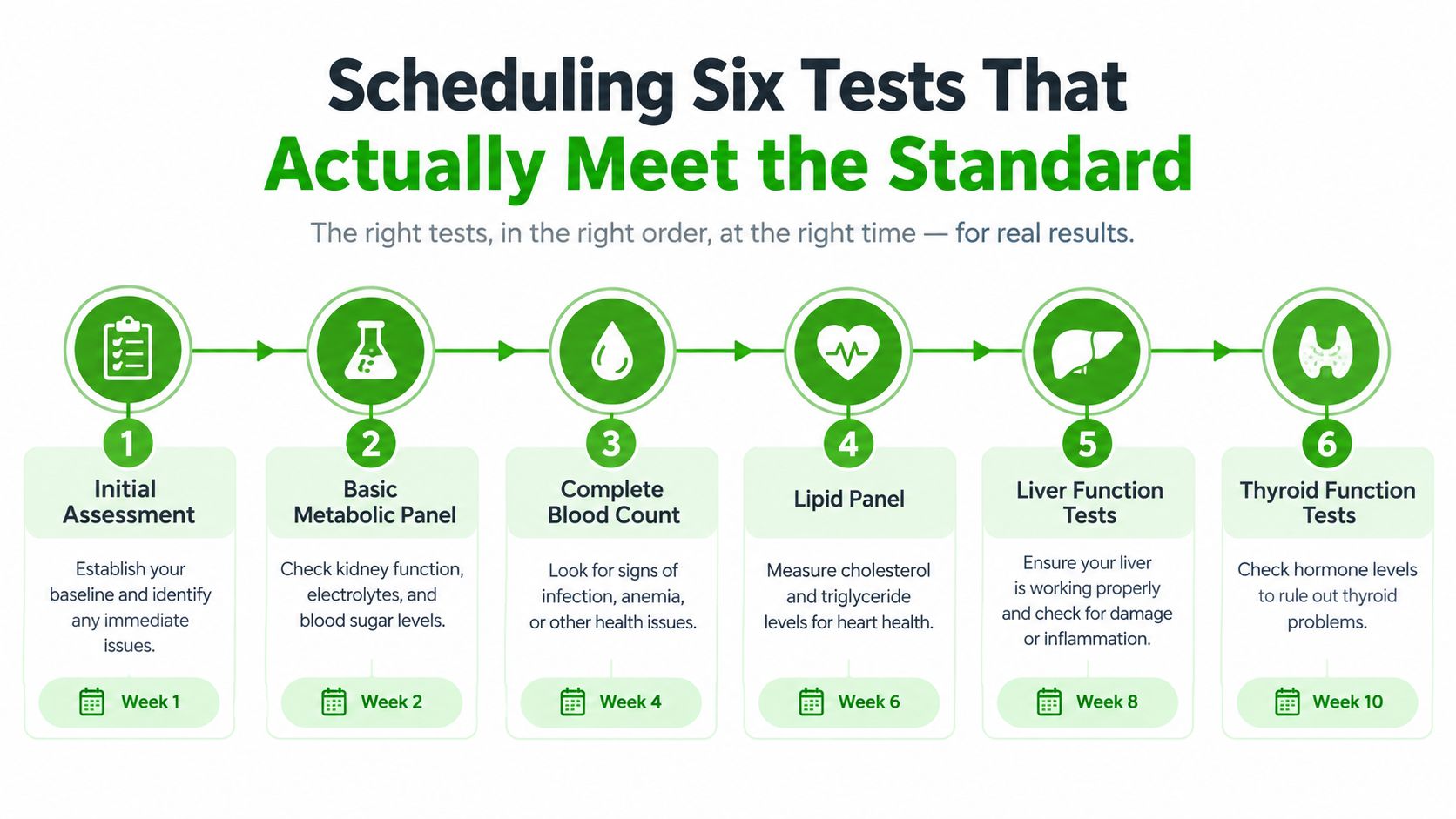
Scheduling Six Tests That Actually Meet the Standard
Six follow-up tests completed in a burst don't satisfy the spirit of the rule, even if somebody can point to six dates on a spreadsheet. FMCSA guidance expects the minimum to be spread across the 12-month period, with no advance notice to the driver. That means the employer needs a schedule that looks random to the driver but is still managed tightly enough for audit review.
How the timeline should work
The SAP sets the framework, and the employer calendars the actual events. The driver should not know in advance when the next test is coming, and the employer should avoid bunching tests back-to-back just to check boxes. A spread-out pattern is stronger because it preserves the deterrent effect and reflects what the rule is trying to do.
A missed or refused test needs immediate attention. It shouldn't sit in a pile until month-end reconciliation. If a test is missed, the file should show who was notified, what happened next, and whether the driver was pulled from safety-sensitive work pending the next compliance step.
Short version: six tests spread through the year beats six tests crammed into the first few weeks.
The SAP can require earlier testing or more frequent testing if the clinical facts justify it, and the follow-up period can keep going into the 48-month tail after that first year. That's why a plan should be built as an actual timeline, not as a one-page promise that “we'll get the six done.”
Georgia employers sometimes ask whether a completed DUI course changes that calendar. It doesn't. A state course may help with license reinstatement, but it doesn't replace the federal schedule for a CDL driver under SAP follow-up testing.
Employer Duties Versus Driver Responsibilities
The employer owns the follow-up plan. The driver owns compliance with it. That split sounds obvious until a case changes employers and everybody starts assuming the other side has the paperwork.
| Who Owns Each Step of a Follow Up Testing Plan | Step | Owner | Deadline or Trigger |
|---|---|---|---|
| Plan receipt and retention | Obtain and keep the SAP-prescribed plan | Employer | Before follow-up testing begins |
| Test administration | Schedule and administer each follow-up test | Employer | Throughout the SAP-directed period |
| Test attendance | Appear for each unannounced collection | Driver | When notified |
| Result tracking | Verify collection and result documentation | Employer | After each test |
| Completion reporting | Report successful completion to Clearinghouse | Employer | By the close of the third business day after learning the final test is complete |
| Return-to-duty cooperation | Complete SAP-directed education or treatment components | Driver | As prescribed by SAP |
| Safety-sensitive work | Resume work only after RTD eligibility is documented | Employer and driver | After negative RTD result and required documentation |
The state and federal duties stack, they don't cancel each other
The federal duties don't replace Georgia DDS requirements. A driver dealing with reinstatement may also need a Georgia Risk Reduction course or other DDS documentation, but that state work doesn't by itself resolve the federal Clearinghouse issue. For compliance teams, the safe approach is to separate the federal file from the state reinstatement file and treat them as related, but not interchangeable.
That separation is where Georgia DUI Schools' DOT drug test regulations resource can fit into a broader reference set for employers and drivers who are trying to understand which requirements belong to which process. The rules are easy to mix up if nobody owns the handoff.
The driver's job is narrower than many people think. Show up, comply, and keep the employer informed of job changes. The employer's job is broader, and if that side drops the ball, the driver can end up stuck even after doing everything personally required.
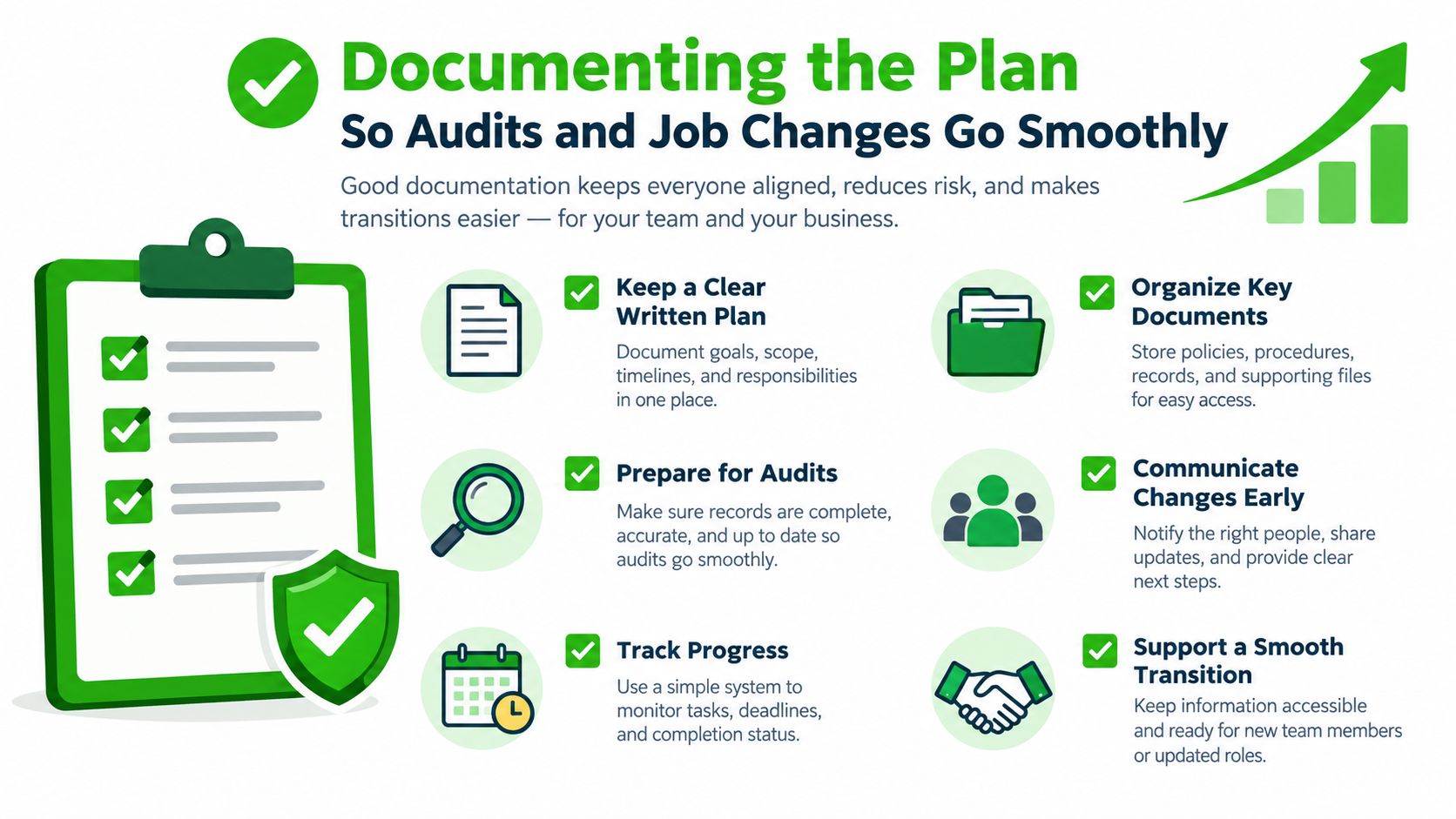
Documenting the Plan So Audits and Job Changes Go Smoothly
A defensible file starts with the basics and ends with proof. It should identify the driver, the SAP, the return-to-duty date, the required test count, whether direct observation applies, how the tests are distributed, and who signed off on the plan. If the signatures or dates are sloppy, the whole file becomes harder to defend in an audit or a dispute.
What belongs in the restricted file
The best files hold more than the plan itself. Keep the collection records, the MRO verification, any refusal documentation, and the employer's proof that each event was reviewed and closed out. Store it in a restricted compliance file so the plan doesn't get lost in payroll folders, safety memos, or general HR notes.
If the plan changes employers midstream, the old employer has to provide the unfinished plan to the new employer under 49 CFR §382.413. That makes paper documentation the single point of truth when the driver changes jobs before the follow-up period is over.
Here's a useful workflow resource for teams that want tighter handling of these records: how to manage compliance forms. It's not about replacing DOT rules, it's about keeping the paperwork clean enough that the federal obligations can be tracked.
A file that survives an audit should show
- Driver identity and case details: enough to match the file to the right person without confusion.
- SAP information: who issued the plan and when the plan was approved.
- Testing schedule: the minimum count, timing spread, and observation requirement.
- Collection proof: each completed test, refusal, or missed event documented separately.
- Completion evidence: the final test result and the employer's completion report.
The SAP program itself also matters because it defines the evaluation and return-to-duty pathway, not just the follow-up plan. A useful internal reference for that part of the process is what is the SAP program, especially when a file needs to show how education or treatment connects to later testing.
Real Scenarios Drivers and Employers Hit in Practice
A clean case can still become messy if the handoff isn't documented. I've seen employers assume a driver is “done” because the first year looked orderly, only to realize the SAP had extended testing into the tail period. I've also seen drivers assume a new job resets the obligation, which it doesn't.
Scenario one, the year looks quiet but the obligation continues
A driver completes the SAP steps, passes the return-to-duty test, and clears the first year without drama. The employer thinks the case is closed because six follow-up tests were completed, but the SAP plan called for more testing in the later monitoring period. The fix is simple and painful at the same time, the employer has to keep the plan in the file and continue testing until the SAP-directed schedule is fully finished.
Scenario two, the driver changes employers mid-plan
A driver leaves one motor carrier and starts with another before the follow-up plan ends. The first employer can't just say the plan was “mostly handled,” and the new employer can't rely on a verbal summary. The previous employer has to provide the unfinished plan, and the new employer has to take over administration without losing the record trail.
Scenario three, the driver misses or refuses a test
A missed collection is not a paperwork shrug. The employer has to act quickly, document the event, and remove the driver from safety-sensitive work if the status is no longer compliant. If the SAP needs to re-evaluate, that update belongs in the file before anyone talks about a return to duty.
The case usually gets stuck where the file goes silent. A dated note, a result report, and a completion confirmation solve more problems than a long explanation ever will.
The other recurring deadline is the employer's reporting duty. Once the final ordered test is complete, the completion date has to be reported to the Clearinghouse by the close of the third business day after the employer learns that the plan is finished. Employers also need to keep the annual limited query requirement in view for each employed CDL driver, and they should retain records in line with the Clearinghouse's 5-year violation-history window.
For final closure, check that the SAP plan is in the restricted file, every observed collection is documented, the return-to-duty result is verified, the new employer has any unfinished plan, and the completion date is reported on time. A driver may also still need Georgia DDS reinstatement work, including the state's Risk Reduction course, so federal and state paperwork should be tracked separately until both are fully complete.
Georgia DUI Schools helps drivers with Georgia DDS-approved DUI/Risk Reduction and defensive driving education, plus clinical evaluations, ASAM Level 1 treatment, and Victim Impact Panels. If you're managing a Georgia reinstatement case alongside a federal follow-up testing plan, visit Georgia DUI Schools to review the options that can support the state side of the process.